

Role of Cricket Helmets – Ensuring Player Safety
• The Cricket Kingdom
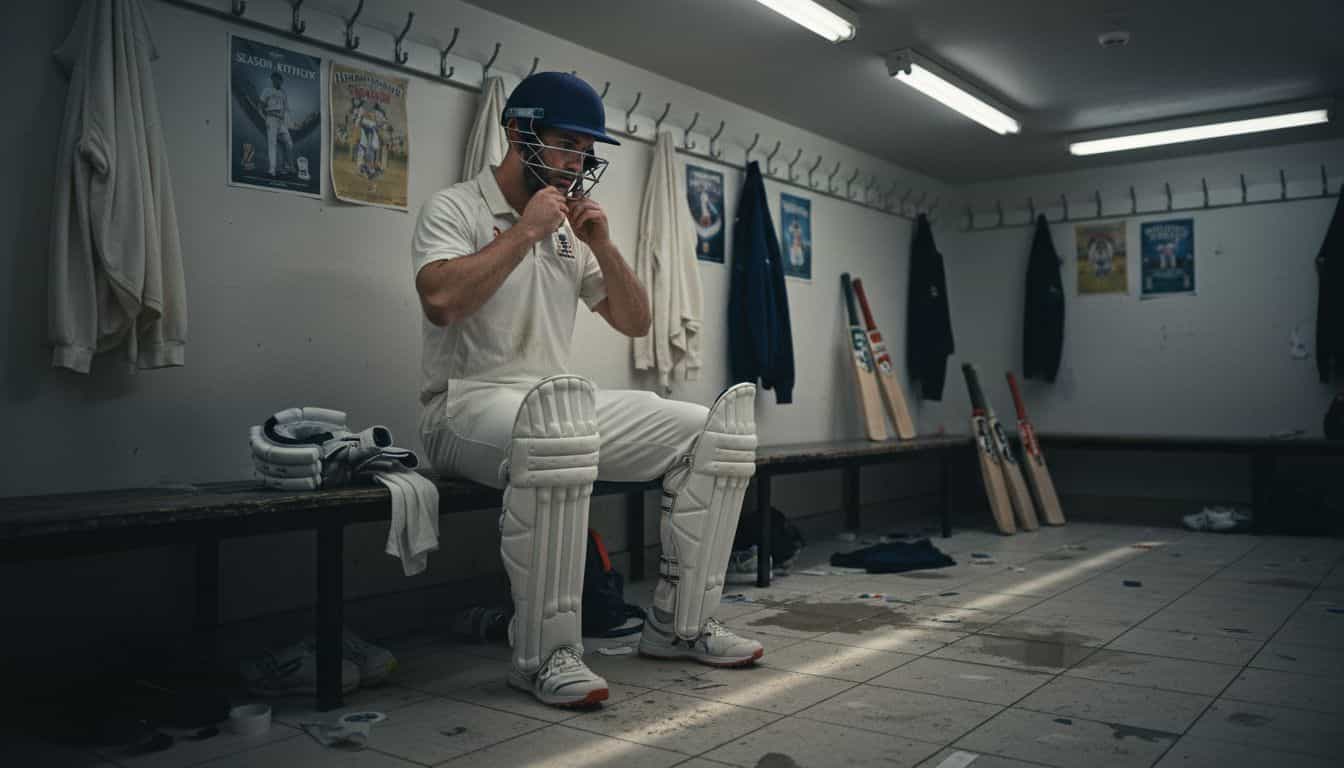
Cricket Helmets Defined and Their Vital Purpose
Cricket helmets represent specialized protective gear designed to shield players from potentially life-threatening head and facial injuries during matches. These critical pieces of equipment are engineered to absorb and disperse the substantial kinetic energy generated by high-speed cricket balls traveling at extreme velocities. Impact absorption characteristics of cricket helmets play a crucial role in player safety, making them an indispensable component of modern cricket equipment.
The fundamental purpose of a cricket helmet extends far beyond simple head coverage. These protective devices are meticulously constructed with advanced materials like high-density polymers and reinforced padding to create a robust defense mechanism against direct ball impacts. Proper helmet protection can significantly reduce the risk of serious head and facial injuries while improving player confidence at the crease.
A comprehensive cricket helmet typically includes several critical design elements that contribute to its protective capabilities:
- Outer Shell: Made from strong, impact-resistant materials like fiberglass or carbon fiber.
- Inner Padding: Soft yet resilient foam layers that absorb and distribute impact forces.
- Faceguard: Protective metal or carbon fiber grille that shields the face from direct ball contact.
- Adjustable Straps: Ensure a secure and personalized fit for different head sizes.
While no helmet can guarantee absolute protection, modern cricket helmets provide an essential layer of defense against potentially serious injuries on the field.
Safety Standards and Global Compliance Requirements
Global cricket safety regulations have become increasingly sophisticated, establishing rigorous standards to protect players from potential head injuries. The International Cricket Council (ICC) requires helmets used in elite cricket to comply with recognized safety standards such as BS 7928:2013, ensuring they provide reliable protection during competitive play.
Consistent safety standards help manufacturers produce helmets capable of withstanding high-speed impacts while maintaining comfort and visibility for players.
Key compliance requirements for cricket helmets typically include:
- Material Specifications: Minimum impact-resistance standards.
- Protective Coverage: Defined facial and neck protection zones.
- Impact Testing: Laboratory-tested shock absorption.
- Quality Control: Regular manufacturing and design inspections.
- Performance Certification: Independent verification of protective capabilities.
Although no helmet can eliminate every risk, choosing one that meets recognized safety standards greatly improves player protection.
Risks of Improper Helmet Fit or Usage
A properly fitted cricket helmet is essential for effective protection. Wearing a helmet that is too loose, too tight, damaged, or incorrectly adjusted can reduce its ability to protect against high-speed impacts.
Common risks associated with improper helmet fit include:
Reduced Impact Protection
- Loose helmets may shift during impact, reducing protection.
- Tight helmets can cause discomfort and restrict natural movement.
Compromised Visibility
- Poor helmet positioning may obstruct peripheral vision.
- Reduced visibility can affect reaction time and increase injury risk.
Structural Weakness
- Damaged or worn helmets lose their shock-absorbing ability.
- Lack of maintenance reduces long-term protective performance.
Inadequate Coverage
- Incorrect sizing may leave parts of the face or neck exposed.
- Improper adjustment creates vulnerable areas during play.
Selecting the correct helmet size, adjusting it properly, and inspecting it regularly help ensure consistent protection throughout the cricket season.